泵可以将泵广泛分为两个基本类别:离心泵和阳性位移泵。离心泵的旋转设备零件将动量赋予流体颗粒,然后转换为压力。对于离心泵,泵中开发的排放流量和差分头彼此相互依赖。而对于正位移泵,排放流量几乎与下游压力无关。
根据流体服务,流量率处理和差异要求,两种泵类型都可以有效地使用。
Following figure gives an idea of the basic structure of a centrifugal pump.

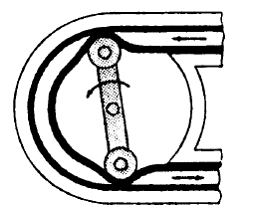
如下图所示,正位移泵具有不同的类型。

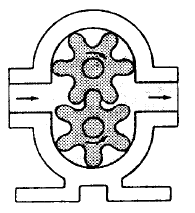
外齿轮泵




当涉及到离心泵和正位移泵之间的选择时,必须考虑许多因素。
1。流体服务处理:对于从清洁和清除的非浸泡流体到具有较高固体含量的磨料流体,离心泵是优选的。但是离心泵在高度处理方面遇到了限制viscous fluids而且它们对处理夹带的气体的容忍度非常低。优选的阳性位移泵(往复运动和旋转型)是用粘液液和插入气体处理高度粘性的流体和流体的优选。我的总体可以说,正排量泵配备了处理更大范围的流体。
2。流率处理:离心泵是处理较高流量的首选。但是离心泵对较低流量的处理有局限性。当涉及到低流量时,正排量泵是首选的。
3。Differential pressure head:A single stage centrifugal pump cannot deliver very high discharge pressure unless it is operated at very high speeds, which can turn out to be expensive. The operation of a positive displacement pump is nearly independent of the discharge pressure encountered downstream. Positive displacement can achieve very high差压力因此,它们是此类应用的首选。
4。效率:离心泵可以以最佳效率运行,对于狭窄的流量和差分头值。积极的位移泵在这样的方面不受限制。
5。空间约束:离心泵是紧凑的,与处理类似流量的往复泵相比,需要更少的空间。如果呈正位移泵,则旋转类型的泵应该是换泵,因为旋转泵占用更少的空间。
6。脉动流:离心泵提供光滑的流动。往复式泵提供脉动流曲线,因此需要在泵放电时具有脉动阻尼剂。旋转泵更喜欢换泵,因为它们也可以传递光滑的流量。
7.费用:Centrifugal pumps are most widely used and regarded as economical. They have low initial cost, low maintenance cost but high power cost. Out of positive displacement pumps, reciprocating pumps are the most expensive alternatives. Reciprocating pumps high initial and maintenance cost, but they consume lower power. Rotary type of positive displacement pumps are always an attractive alternative even to the centrifugal pumps. Rotary pumps have low initial, maintenance and power costs.
8.概括:已经发现离心泵适合最广泛的应用范围,并且最广泛使用。由于对这些泵的熟悉,许多用户更喜欢使用离心泵。这里进行的比较表明,通常会呈正位移泵,尤其是旋转型泵可能被证明是离心泵的有吸引力的替代品。对于低流量,夹带气体的情况,应特别考虑使用正位移泵高粘性流体, 高的differential head.